


Let’s set the scene: you’re returning home from a long day of boating. You’re tired, but in that soul-satisfying way that tells you that it was a day well spent. The comfort of home beckons, but first, you have to park the boat in the side yard.
Dread starts to sink in. The worst part of every boating trip is having to squeeze the trailer between the garage and the fence, with only a couple of inches of wiggle room on either side. The approach is awkward. So, you ask your partner to get out and direct you.
You’re going slow, making the smallest adjustments possible, until you hear a SCRAAAPE. Suddenly, the good feelings are gone.
While boats are built for the open water, they’re notoriously difficult to maneuver on dry land. The low, short trailers are hard to see and easy to oversteer. But simply understanding this is half the battle.
That’s why, in this blog, we’re going to discuss the three most common challenges of maneuvering heavy boat trailers.
Challenge 1: The Physics of Tongue Weight and Balance
Tongue weight is often an issue with outboard motors because of the motors being located behind the trailer axle. Boat trailers are also fairly short. When low tongue weight is combined with a short trailer, the tail end can easily sway or oversteer when reversing. It’s not difficult to overshoot your target, even with careful steering.

Challenge 2: The "Blind Spot" Battle
Reversing with a truck naturally means dealing with blind spots. But the low profile of boat trailers makes them even more difficult to see in the rearview. When navigating tight turns or narrow storage spaces, there’s little room for error. The risks are high for making a small mistake that results in costly damage, simply because visibility is limited.
Challenge 3: The Jackknife Risk
The reverse steering logic of backing in a trailer can trip anyone up at first. When the trailer and the tow vehicle are always moving in opposite directions, it can be easy to get stuck in an awkward position…or worse, jackknife the trailer, causing damage to the boat or your bumper.
Pro tip: The trick is to think of the steering wheel as the trailer and move the bottom of the wheel where you want the back end of the trailer to go. Using small movements and allowing time for the trailer to catch up will help you stay on track.

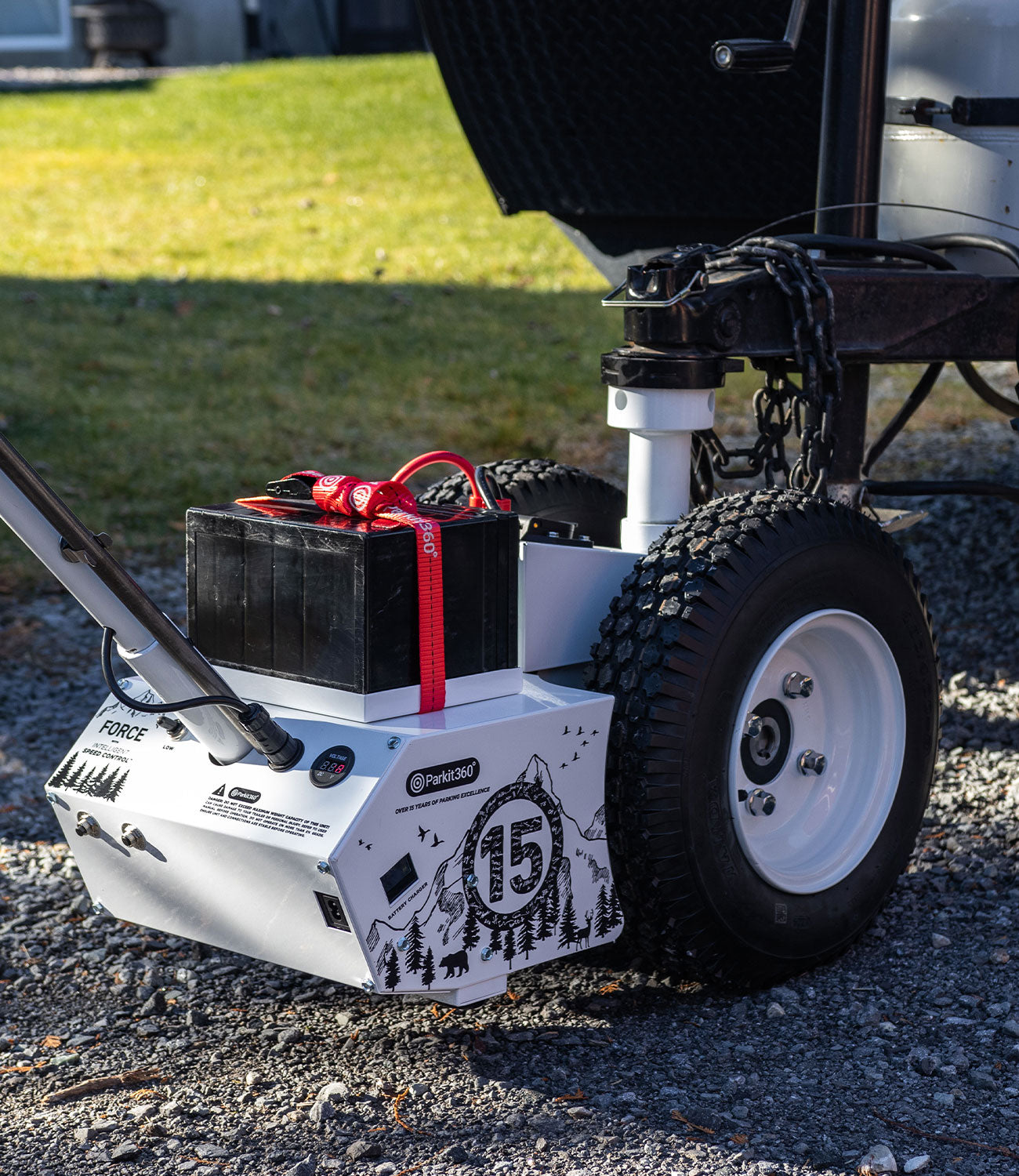
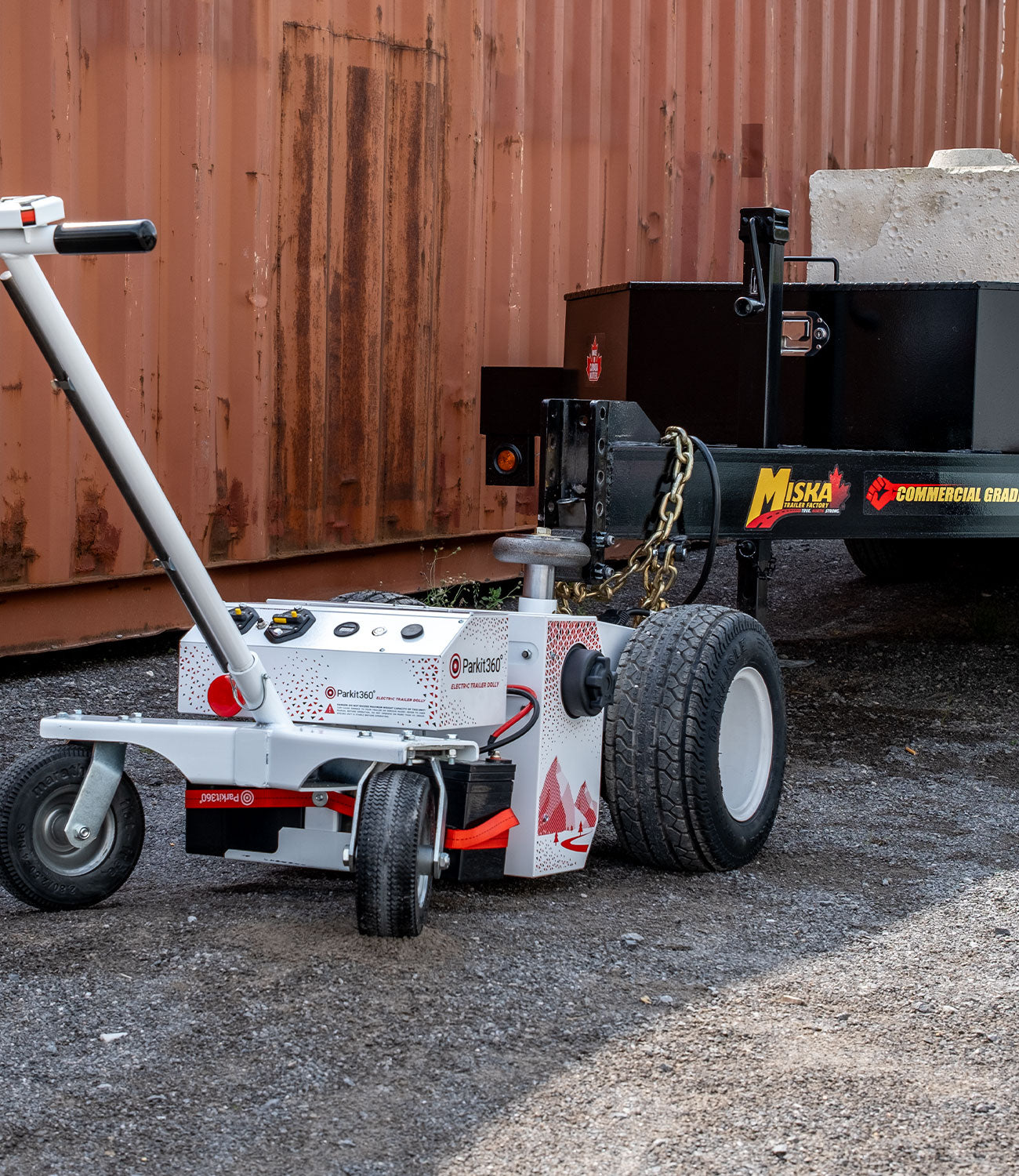
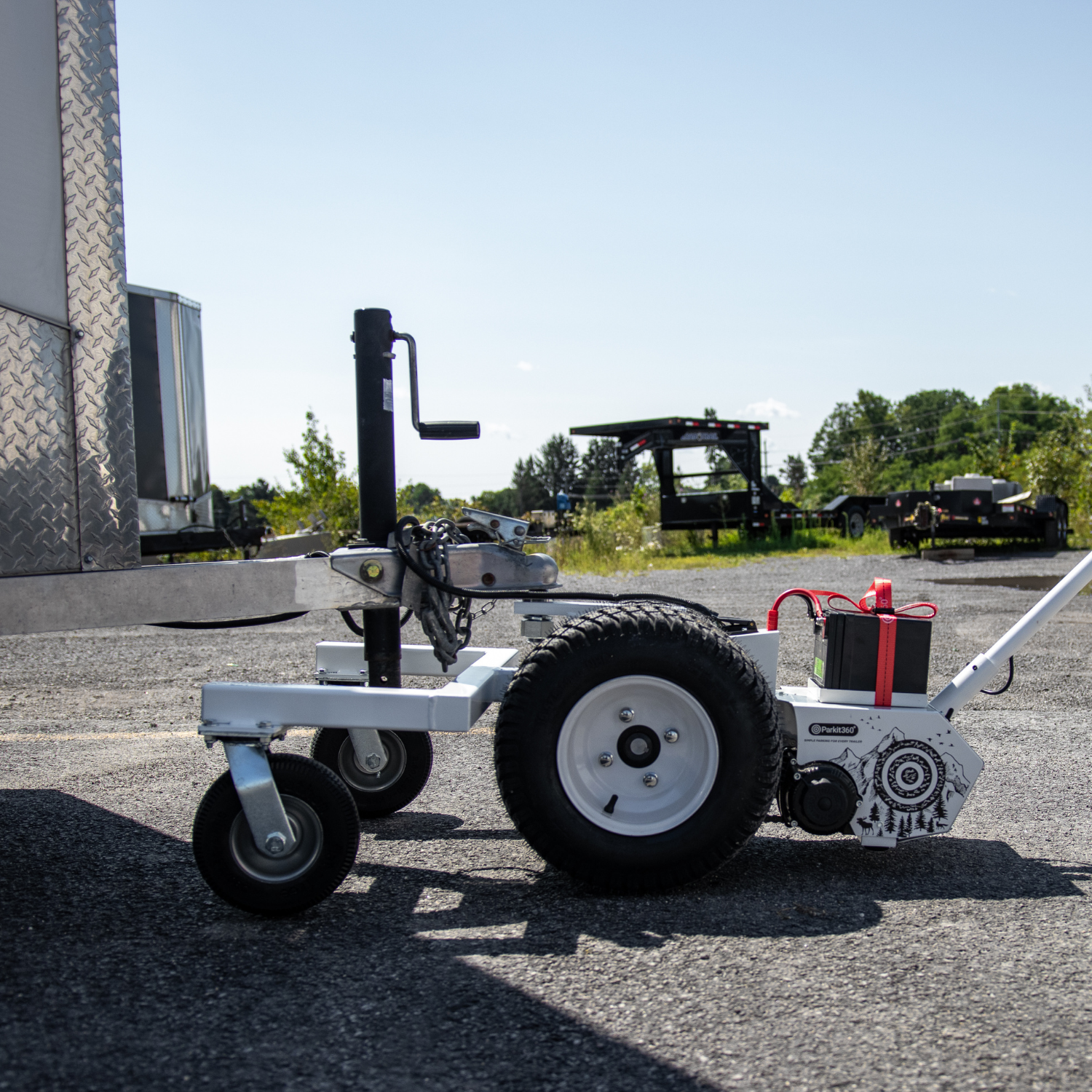
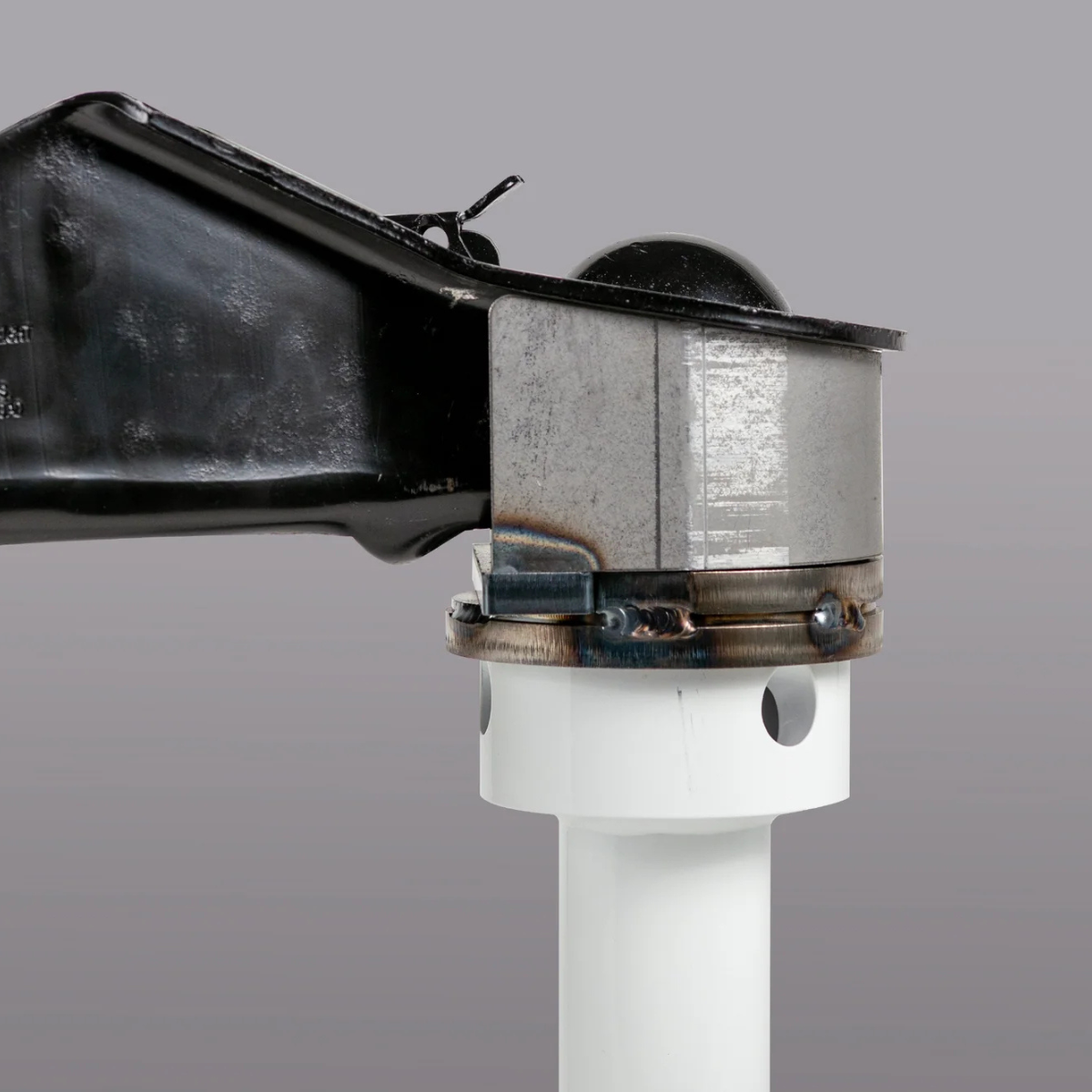
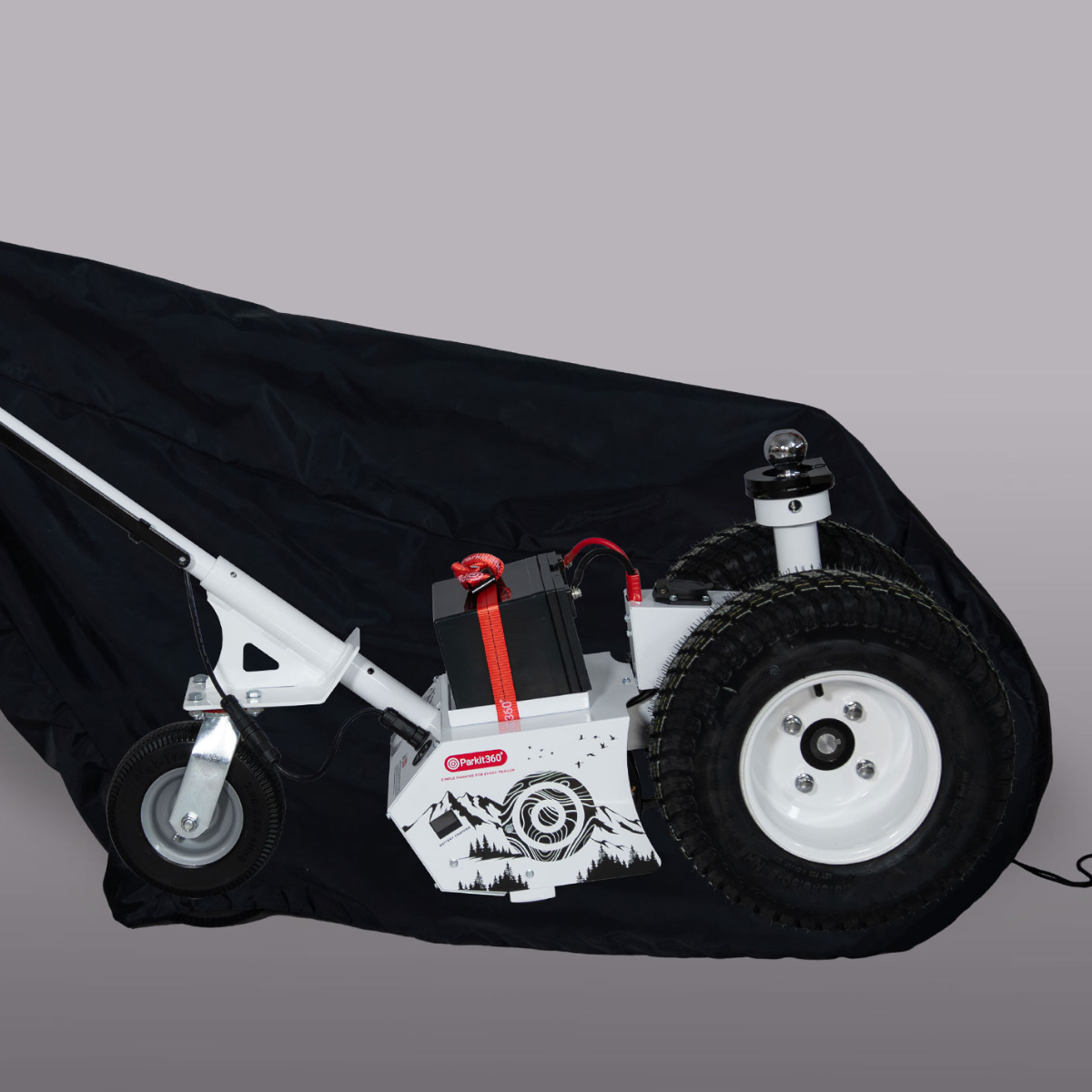
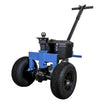
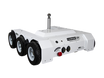
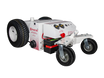
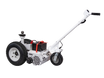
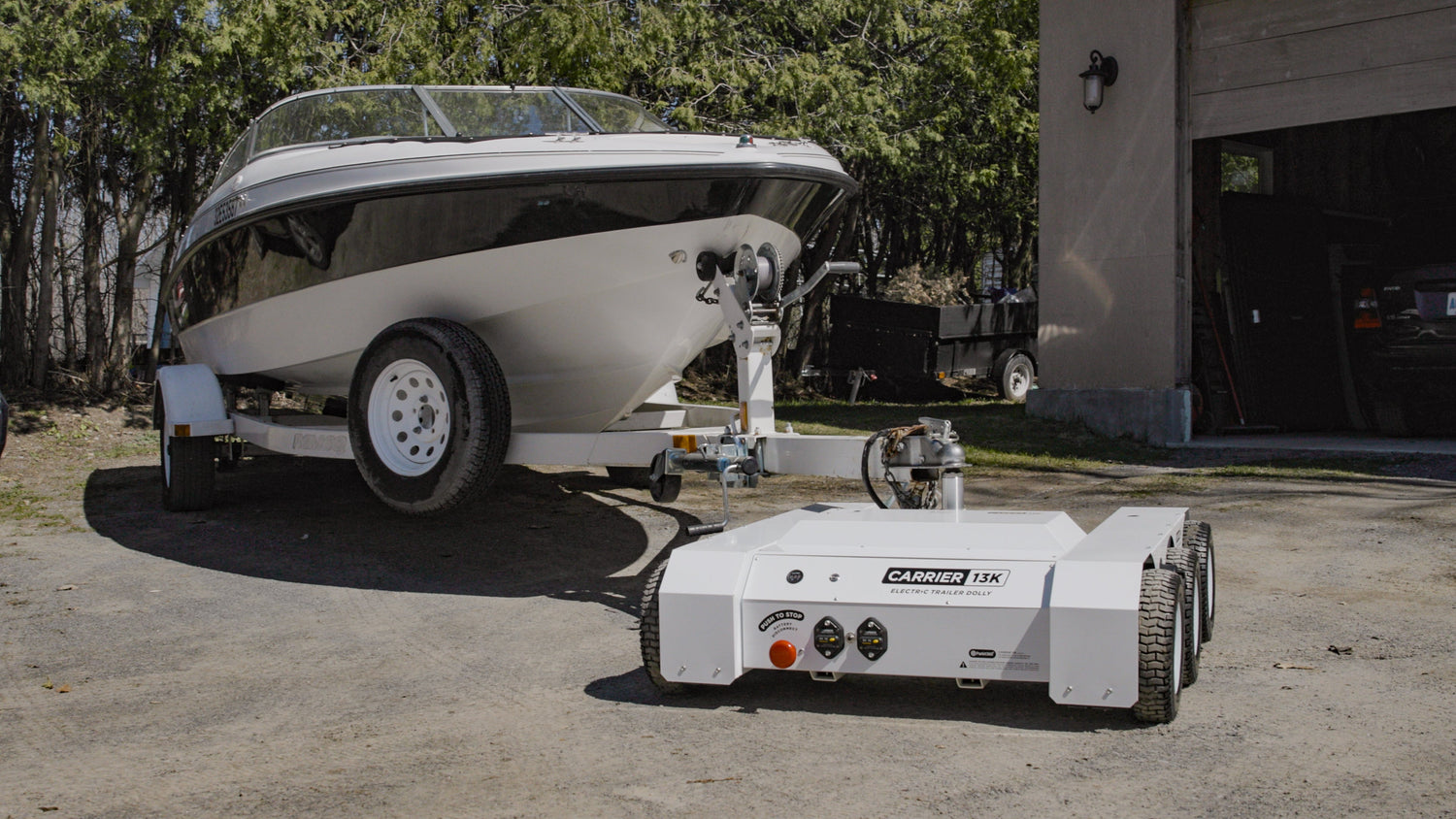
The Solution: Regaining Control with a Trailer Dolly
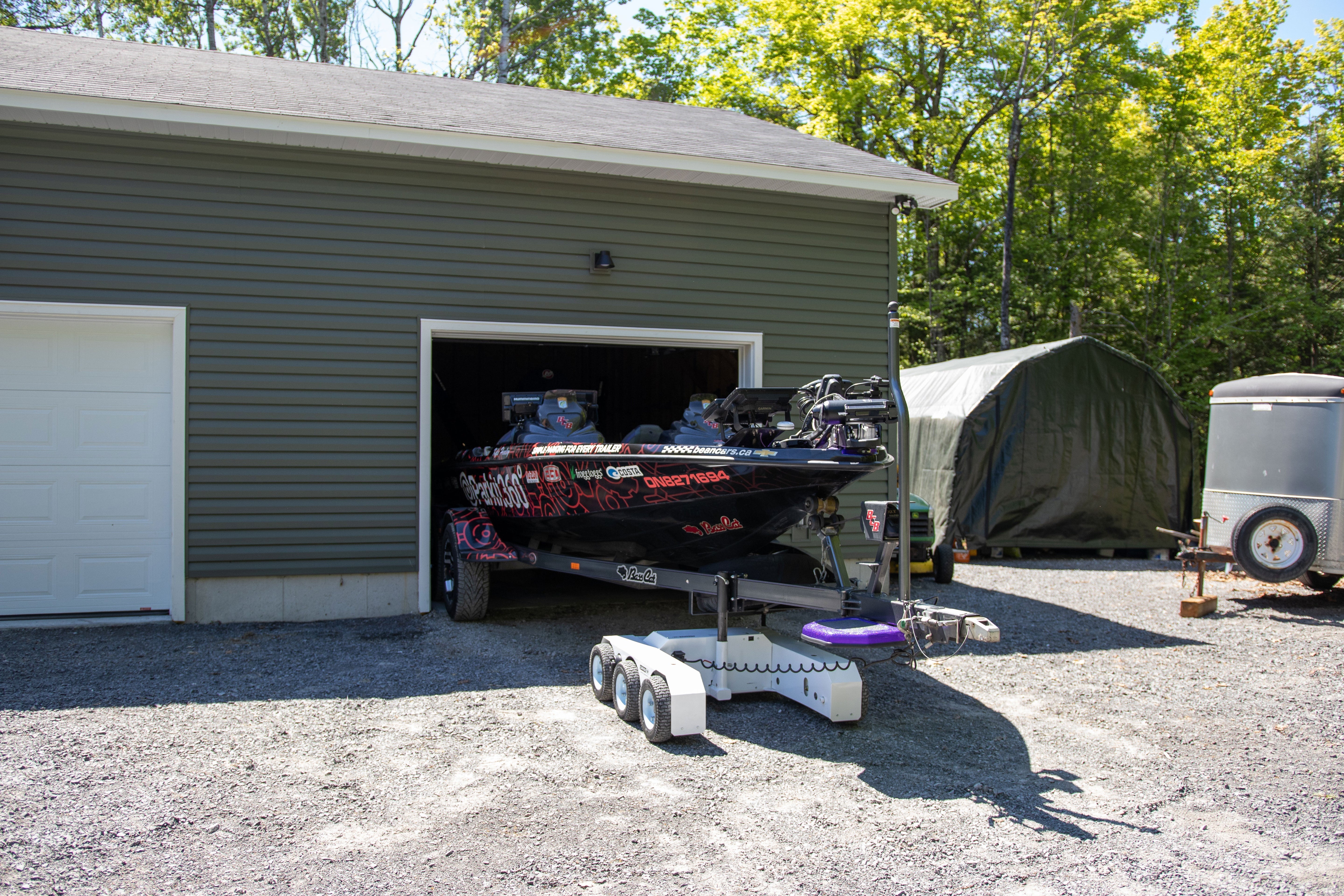
When you take the tow vehicle out of the equation, backing in your boat becomes much simpler. There are no more worries about obstacles, tight spaces, or jackknifing.
Instead, you get:
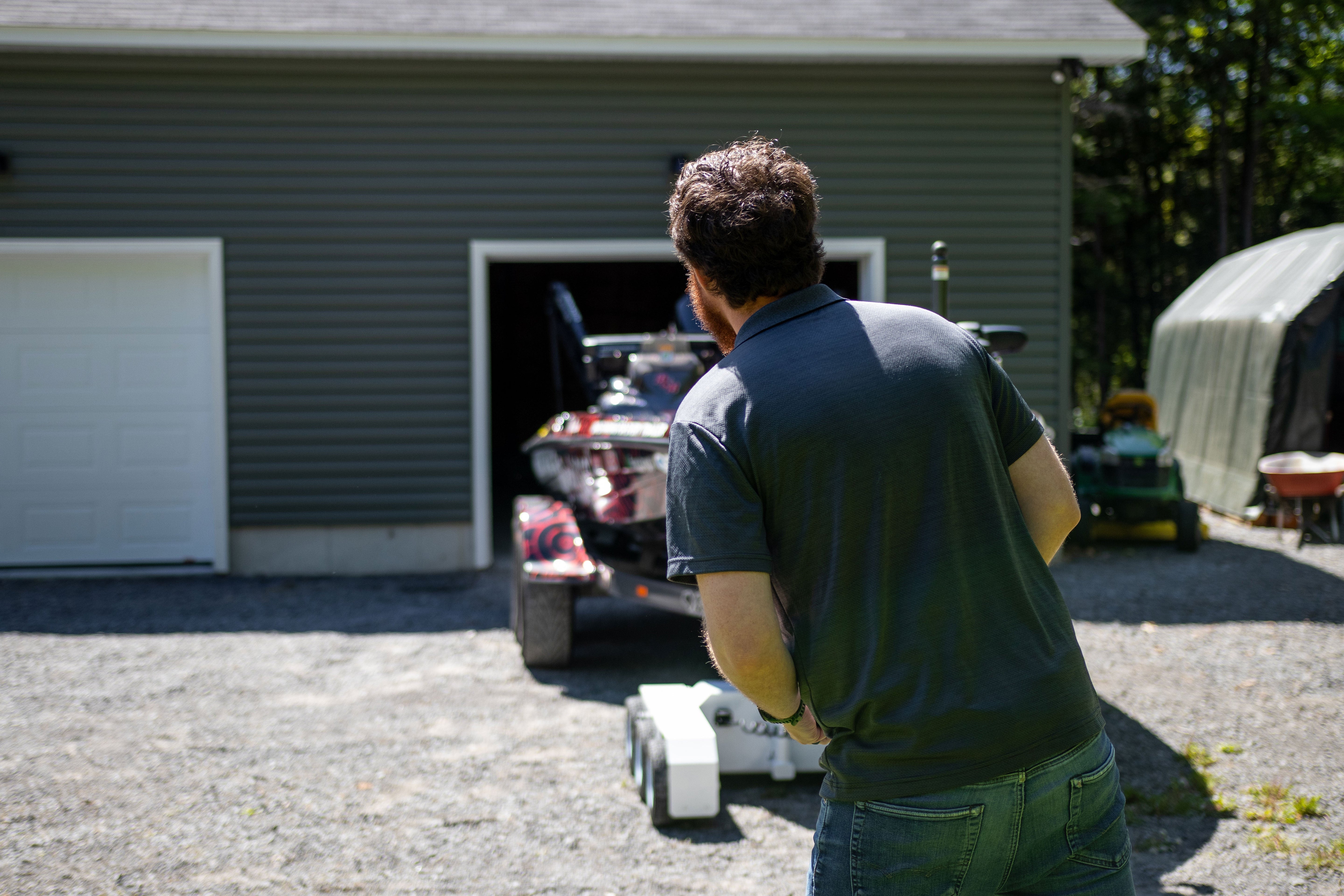
- 360-degree visibility by removing blind spots and standing directly in front of (or even beside or behind) the trailer while you steer it into place.
- Pinpoint precision with the ability to make tight turns and pivot the trailer on its axis, instead of pivoting around the hitch connection.
- Simple controls to replace the complicated steering process required for backing up with a tow vehicle.
Maneuvering a heavy boat trailer shouldn’t be the hardest part of your day. With a trailer dolly, it doesn’t have to be.
Ready to take the stress out of boat storage? Explore our full line-up of manual and electric trailer dollies.

Leave a comment
This site is protected by hCaptcha and the hCaptcha Privacy Policy and Terms of Service apply.