



Quick Answer: Are Electric Trailer Dollies Safe for Heavy Loads?
Yes, electric trailer dollies are a safe option for moving trailers—even heavy ones up to 15,000 lbs—when used within the right weight and slope limits. Today’s motorized trailer dollies include features like automatic braking and overload protection that make operation both easy and safe, especially compared to manual trailer dollies.
Moving Trailers in 2026: Why Spotting is a Thing of the Past
Moving heavy RVs, boats, and utility trailers in tight spaces is a pain. It’s time-consuming, it’s stressful, and one wrong move can cause a lot of damage.
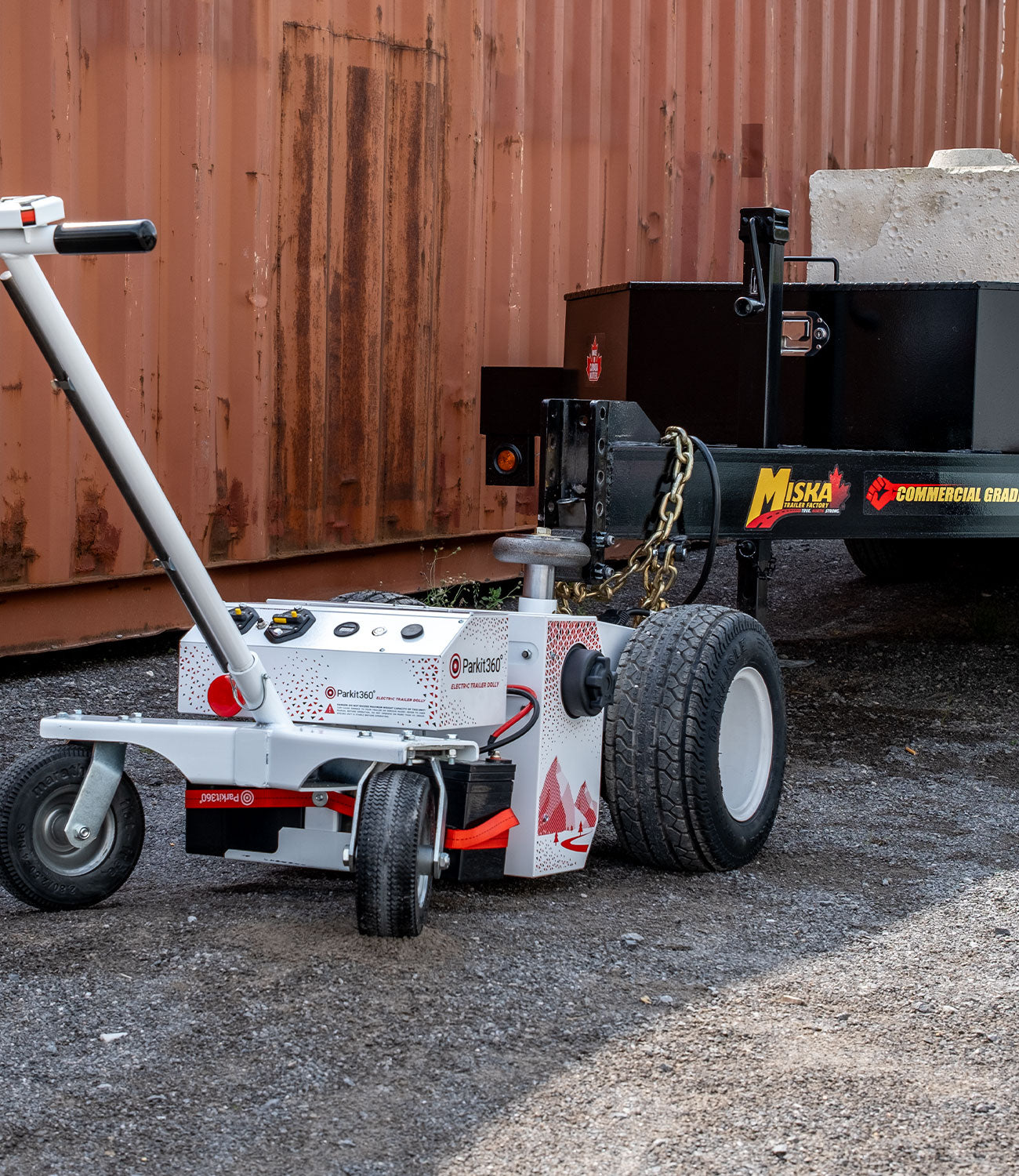
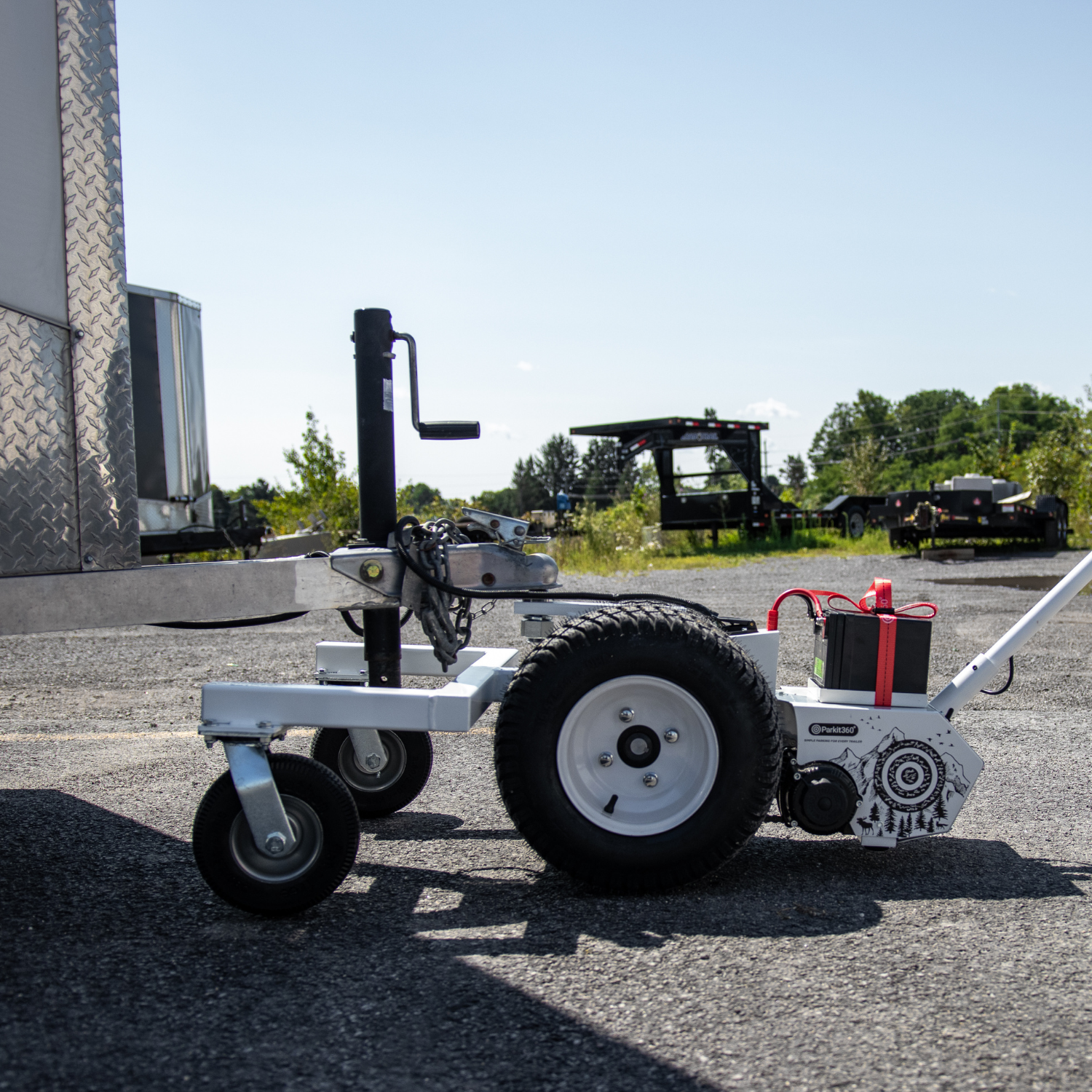
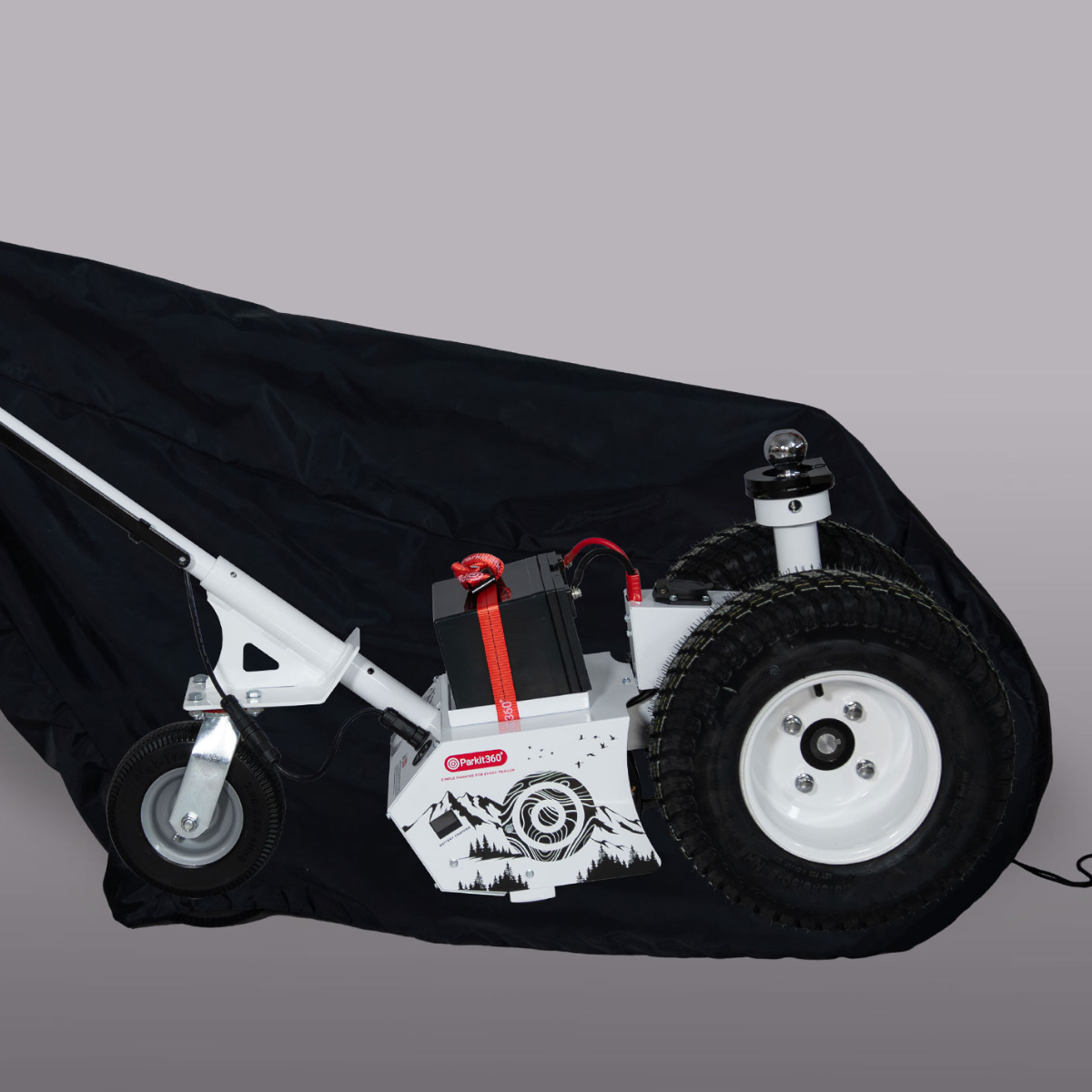
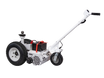
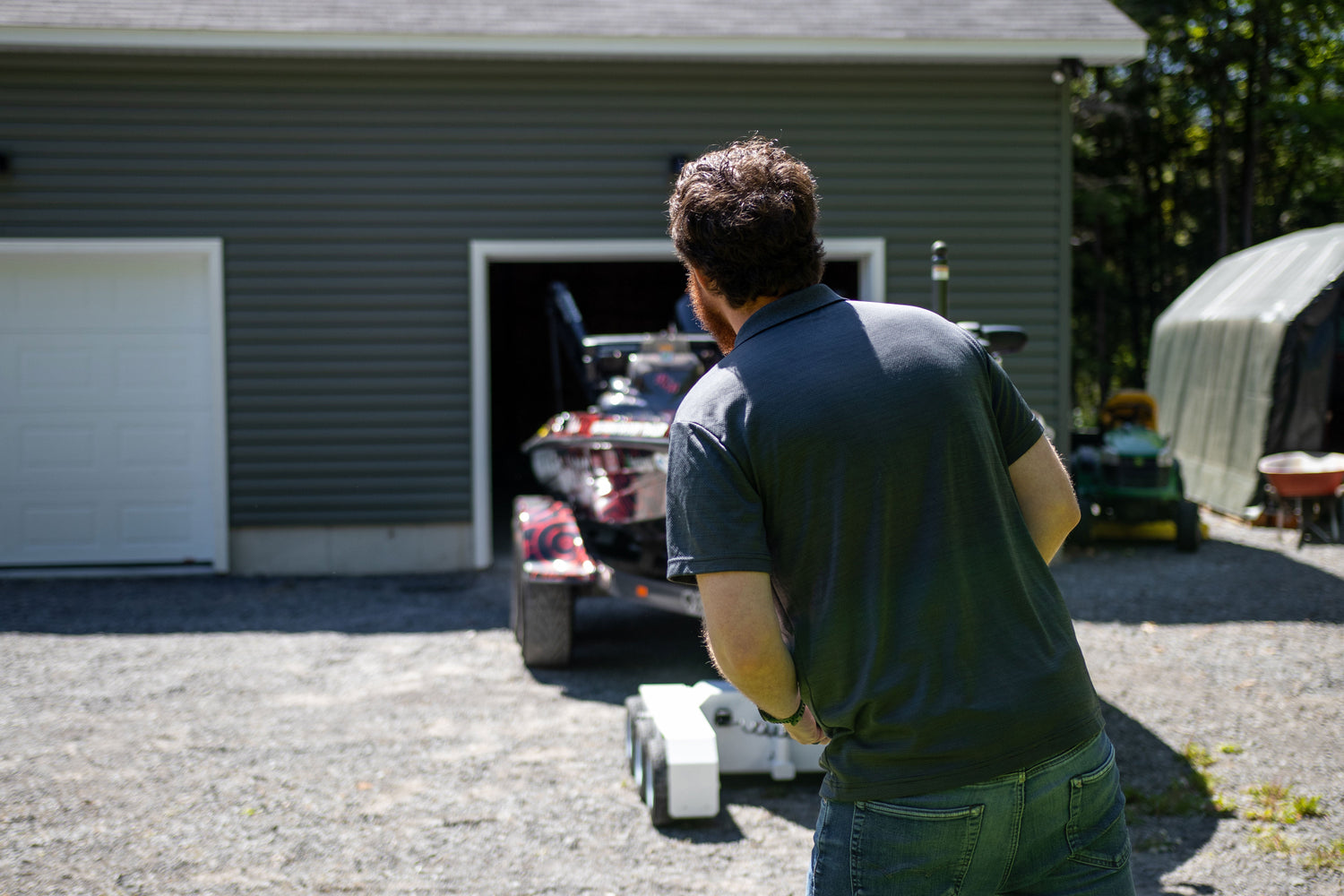
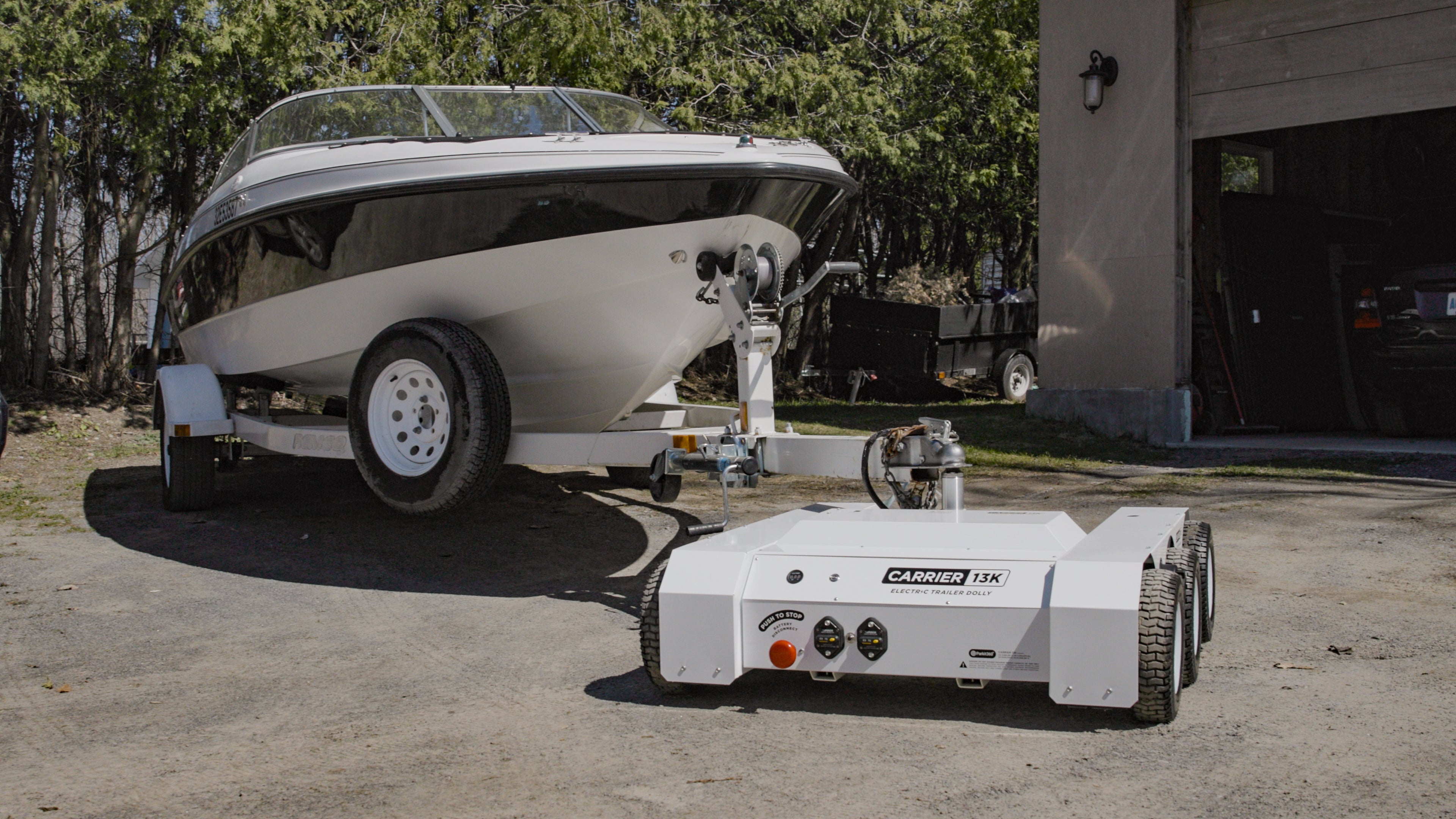
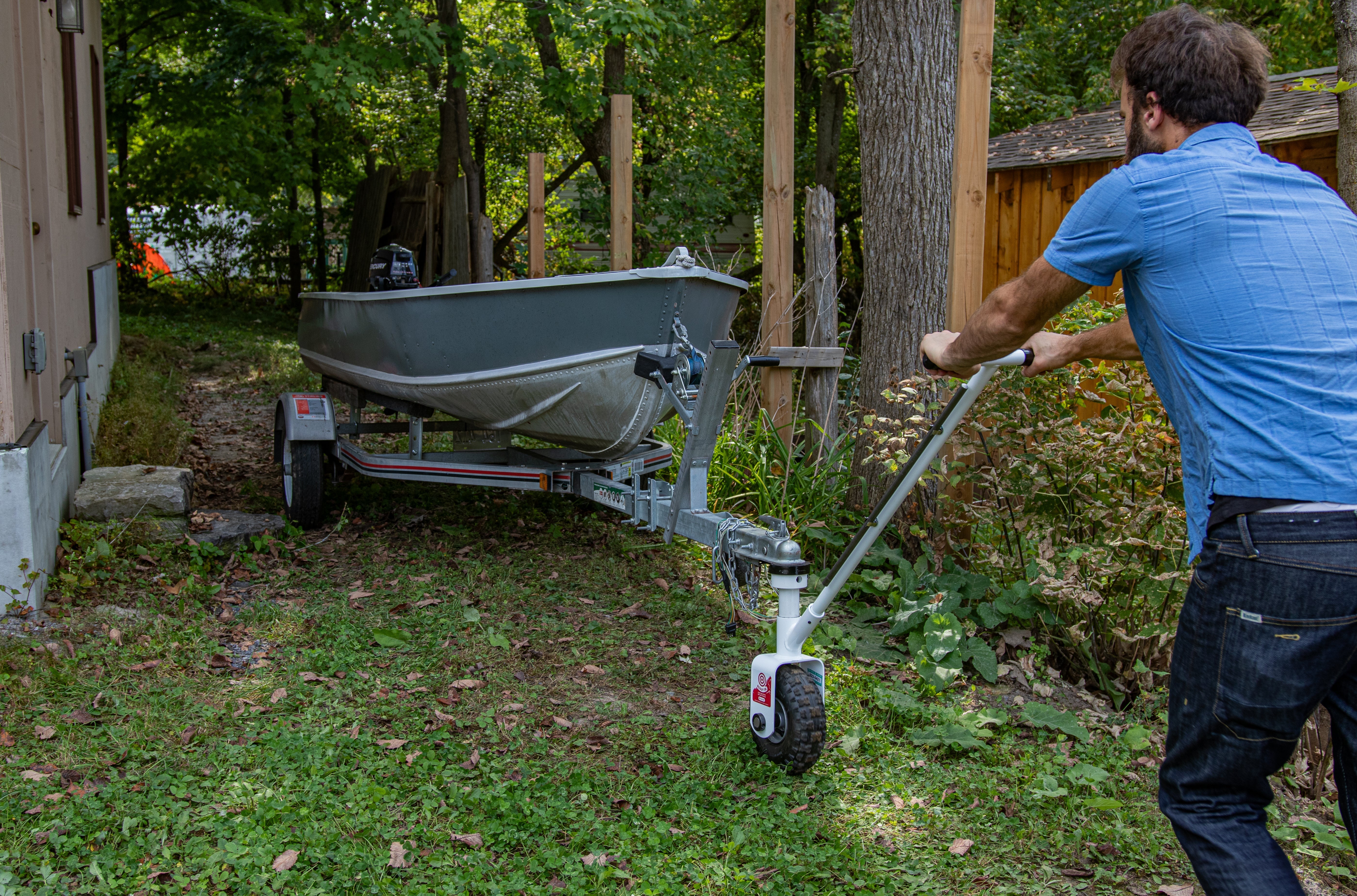
When it comes to DIY trailer moving, electric trailer dollies are quickly gaining popularity, becoming the standard tool in 2026. These compact machines offer a convenient and precise way to move and park all kinds of trailers without any help. With built-in safety features, they’re a reliable and trustworthy parking solution.
It’s important to note that when using a trailer dolly, safety isn’t only about the machine; it’s about safe operation and choosing the right equipment for your trailer’s weight and the terrain.

Top 4 Safety Features of Modern Motorized Trailer Dollies
1. Automatic braking
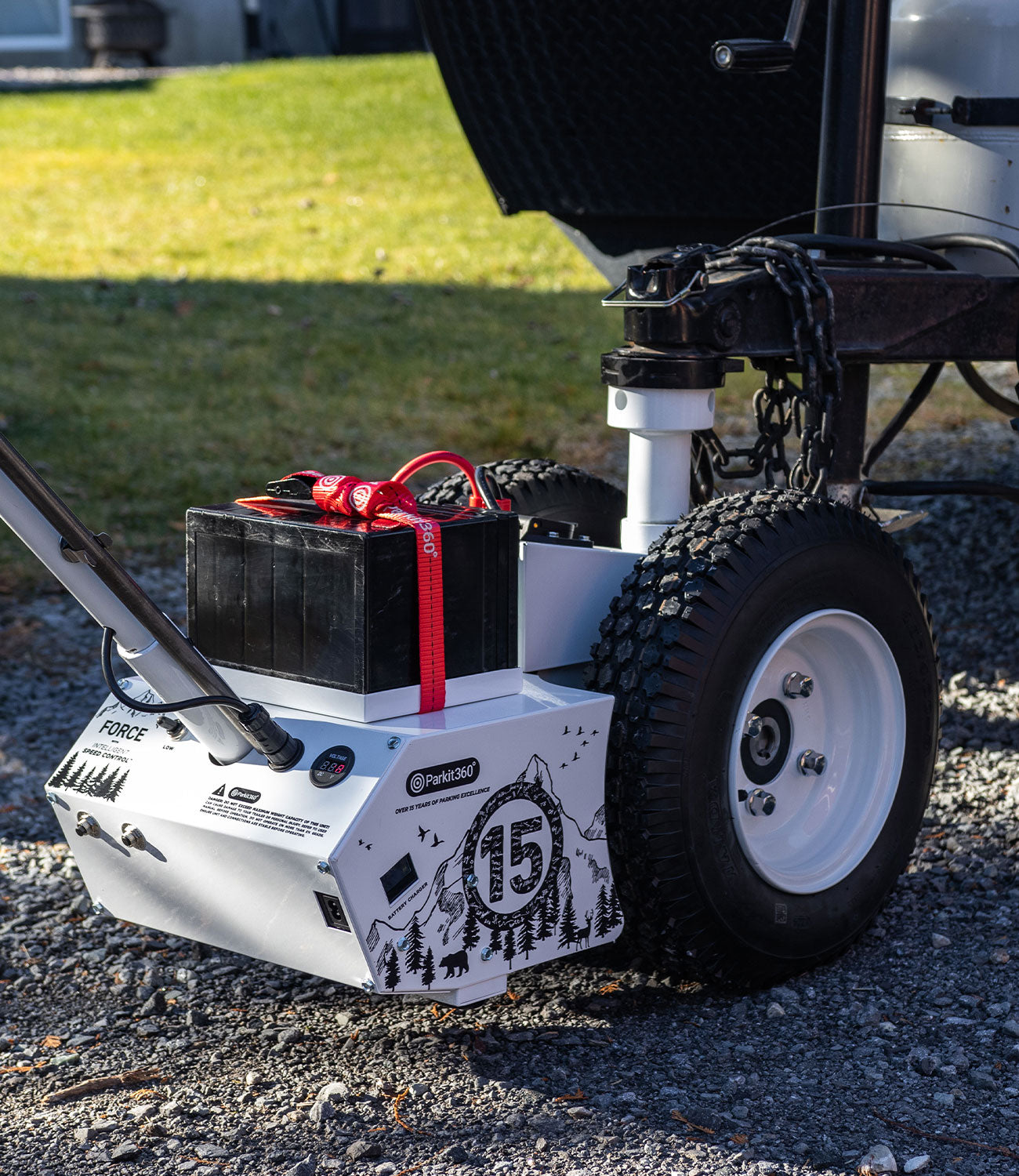
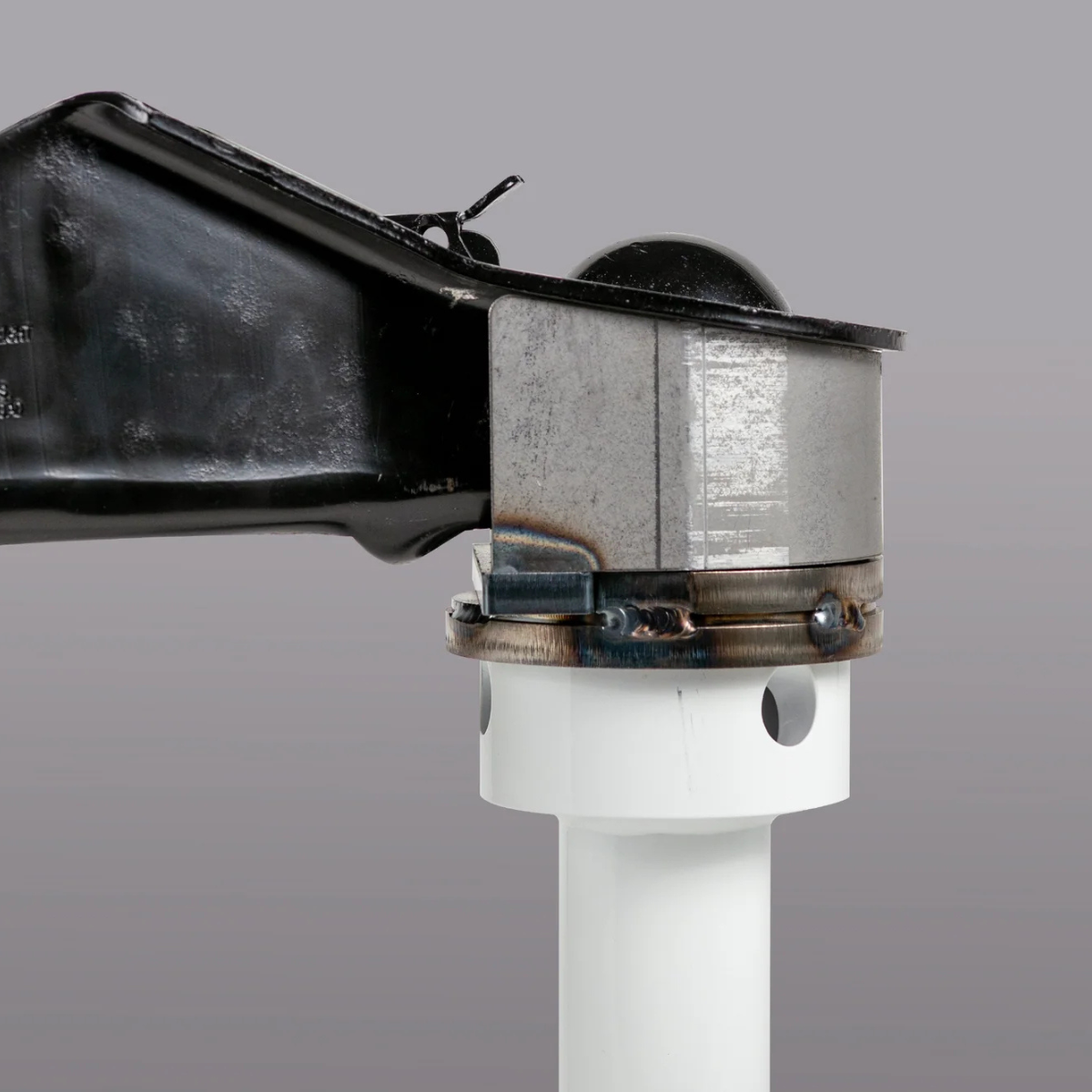
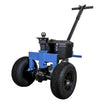
Don’t worry about runaway trailers. Many electric trailer dollies today use “neutral throttle breaking.” In other words, as soon as the controls are not being pressed, the machine comes to a stop. In some models, such as Parkit360 electric trailer dollies and other brands, the motor gearing locks up, preventing any wheel movement when the dolly is not in use.
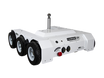
Some high-end trailer dollies, including Parkit360 and Goodyear, also include a 7-pin plug that connects to your RV or utility trailer’s brakes and lights. When the trailer dolly’s automatic brakes are activated, the machine sends a signal to the trailer’s electric brakes to activate them as well.
2. Overload Protection
Most motorized trailer dollies in 2026 are equipped with some form of overload protection. This protects the electronics from high power draw and safeguards the operator in case of exceeding the maximum weight capacity, operating on a steep incline, and, in some cases, power surges.
3. Variable Speed Control
Another feature of today’s electronic trailer dollies is variable speed control. Instead of simply having a forward and reverse option, many dollies have multiple speed settings that allow for slower, more careful operation when maneuvering in tighter spaces.
4. Wireless Remote Operation
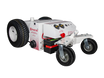
One of the top safety features of today’s high-end motorized trailer dollies is wireless remote operation, which removes the need for a spotter and makes it possible to get a 360-degree view of the trailer while moving it. Options like the Trailer Valet RVR series and Parkit360’s Wireless Remote series give trailer owners more control in tight spaces, making it easy to avoid obstacles and protect their trailers from damage.

How to Avoid Runaway Trailers: Incline and Terrain Safety Limits
When it comes to operating an electric trailer dolly safely, the most important considerations are weight and terrain. Always operate within the recommended limits for trailer weight and slope to avoid accidents.
Every trailer dolly comes with a clearly stated maximum weight capacity. It is important to note that this refers to the Gross Vehicle Weight Rating or GVWR (the weight of your trailer when fully loaded), as opposed to the dry weight, also known as UVW or unloaded vehicle weight (the weight of the trailer without anything in it). Make sure that your trailer dolly can handle the loaded weight of your trailer and that you do not exceed the GVWR when loading your trailer.
Another important consideration for weight is the distribution. When packing your trailer, try to follow a 60/40 rule of having 60% of the weight rest on the front axle. This helps achieve the proper tongue weight for traction control.
As far as terrain goes, most trailer dollies are best suited to firm, dry surfaces such as asphalt and concrete. Some, such as Parkit360’s Force 10K, for instance, can also handle packed gravel and hard dirt.
The final consideration is slope: be sure not to exceed the slope or grade limit for your trailer dolly. For many models, the maximum is somewhere between 3% and 6%.
Final Verdict: Is an Electric Trailer Dolly Safer Than a Tow Vehicle?
Yes, an electric trailer dolly is safer than a tow vehicle for parking because it won’t leave you “blind” in tight spots. As long as you stick to the manufacturer's guidelines, a motorized trailer dolly gives you the same capabilities as a tow vehicle, but with better visibility, precision, and control, reducing the risk to your trailer (and anything else nearby).

Leave a comment
This site is protected by hCaptcha and the hCaptcha Privacy Policy and Terms of Service apply.